ICOM IC-A25N Handheld NAV/COM Transceiver w/ Bluetooth – Open Box: Portable Aviation Radio
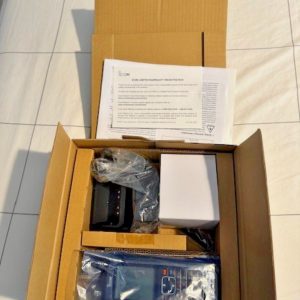
:::writingvariant="document" id="58314" ICOM IC-A25N Handheld NAV/COM Transceiver w/ Bluetooth – Open Box: Advanced Pilot Communication The ICOM IC-A25N Handheld NAV/COM Transceiver w/ Bluetooth – Open Box combines user-friendly controls, portable convenience, aviation communication capability, navigation functions, and Bluetooth connectivity. An open-box unit can provide excellent commercial value when the radio, battery, antenna, charger, documentation, and included accessories remain complete and in suitable condition. A dependable ICOM IC-A25N Handheld NAV can become an important part of a pilot’s flight bag by providing portable communication capability whenever installed aircraft equipment is unavailable. A capable ICOM IC-A25N Aviation Radio can provide additional confidence during flights, training activities, maintenance events, and ground operations. The compact ICOM IC-A25N Handheld Radio may be especially useful for pilots who operate multiple aircraft or frequently travel between airports and training locations. As a Handheld NAV/COM Aviation Transceiver, the unit combines portable communication with navigation-related functions in one organized device. Whether the requirement is a Handheld Aviation Radio, Aviation NAV/COM Radio, Pilot Handheld Radio, or Aircraft Communication Radio, buyers should review package condition, included accessories, battery health, and operational compatibility before purchase. For many operators, the radio can combine the roles of Portable Aviation Transceiver, Aviation Communication Device, Handheld Aircraft Radio, and emergency backup equipment.
Overview of the ICOM IC-A25N Aviation Radio
A multifunction handheld radio can provide useful redundancy and flexibility for pilots who regularly operate in different aircraft or environments. Its practical value comes from combining mobility, recognizable controls, aviation-focused operation, rechargeable power, and multiple communication or navigation functions. The radio may perform very effectively in some environments while experiencing reduced range inside certain aircraft or buildings. Familiarity transforms a portable radio from stored equipment into a practical and dependable operational resource.Choosing the ICOM IC-A25N Handheld NAV
The navigation-oriented functions can complement normal cockpit planning when used within their intended purpose and understood limitations. Students may practice menu navigation, frequency entry, memory organization, display interpretation, and accessory setup in a controlled setting. The handheld radio should be operated according to the manufacturer’s instructions and integrated responsibly into the pilot’s overall workflow. The radio should be stored securely so it does not interfere with controls, visibility, passengers, or emergency egress.Benefits of an ICOM IC-A25N Aviation Radio
Aviation professionals can carry the IC-A25N when moving between aircraft instead of depending entirely on equipment installed in one cockpit. Maintenance providers may monitor aviation activity while working outside the aircraft or coordinating ground movements. An open-box product should be evaluated carefully even when it appears unused or lightly handled. Remote buyers may request a video showing startup, menu operation, button response, audio output, charging status, and physical condition.ICOM IC-A25N Handheld Radio Portability
Portable operation can be valuable to users who fly several airplane types or who do not control the installed equipment available in every cockpit. Battery contacts, charging ports, headset connections, controls, and the display should remain free from dirt, loose objects, and contamination. Pilots can practice with the radio at home or in a classroom while following the applicable manual and operating guidance. Careful handling allows a portable aviation radio to remain a dependable part of the pilot’s equipment inventory.Handheld NAV/COM Aviation Transceiver Applications
The integrated format can reduce the need to carry separate handheld receivers for several common aviation tasks. Users should consider how frequently the radio will be carried, whether Bluetooth is required, and which accessories are needed for their aircraft or headset. A handheld transceiver becomes more dependable when it is included in routine preflight preparation rather than checked only during emergencies. Regular care supports reliable operation, protects resale value, and reduces the risk of Aviation NAV/COM Radio missing components.Choosing a Handheld Aviation Radio
A Handheld Aviation Radio is a practical tool for private pilots, instructors, students, mechanics, aircraft owners, flight schools, and airport support personnel. Pilots should avoid assuming that an unused radio stored for years will operate correctly without battery care and periodic testing. The operating manual and applicable aviation procedures should guide setup and use. Pilots must use aviation frequencies responsibly and comply with applicable licensing, authorization, frequency, and communication requirements.Aviation NAV/COM Radio Functions
An integrated aviation radio can provide a convenient secondary tool during flight planning, cockpit preparation, and selected in-flight operations. The user should understand how to move efficiently between communication and navigation functions without becoming distracted. The radio’s navigation-related functions should be used within the limits described by the manufacturer and the requirements of the intended operation. Paired accessories and Bluetooth connections should be tested so unexpected setup issues do not occur during flight.Pilot Handheld Radio Benefits
A Pilot Handheld Radio offers flexibility to aviation professionals whose work involves several aircraft, airports, and operational environments. Good cockpit organization reduces workload and prevents backup equipment from becoming difficult to reach when needed. Training may also include using the radio with gloves, in reduced light, with a headset, or in a noisy cockpit environment. Responsible power management is central to maintaining a dependable Pilot Handheld Radio.Portable Aircraft Communication Radio
The IC-A25N can become part of an organized communication strategy for private pilots and aviation businesses. Pilots should listen before transmitting, speak clearly, keep messages relevant, and verify that the correct frequency is selected. Understanding environmental limitations helps pilots choose the best practical location and operating method. Users should stop relying on the unit if it displays intermittent function or unexplained shutdowns until the concern is resolved.Portable Aviation Transceiver Applications
A Portable Aviation Transceiver offers communication mobility for pilots and aviation professionals who are not always positioned inside a powered aircraft. Charging equipment should be identified clearly and kept with the correct radio and battery system. Users should understand how to disconnect or change the wireless connection if audio is routed incorrectly during operation. Wireless convenience should not replace disciplined equipment checks and familiarity with standard radio controls.Aviation Communication Device Applications
Commercial value is strongest when the radio includes the accessories, battery capability, and support required for actual use. The seller should explain the product’s status and disclose any evidence of use, missing materials, registration, or cosmetic handling. Users should report intermittent operation, damaged accessories, weak batteries, charging concerns, or missing components promptly. Clear labels and quick-reference instructions can reduce setup errors without replacing the complete operating manual.Maintaining a Handheld Aircraft Radio
Flight instructors can carry the radio during aircraft walkarounds, ramp exercises, and selected student-training activities. Portable operation can improve flexibility at remote airfields or maintenance locations with limited infrastructure. A handheld radio should not be placed on an unstable surface where turbulence or maneuvering could send it across the cockpit. The radio should be cleaned only with suitable methods that do not damage the display, housing, seals, labels, or controls.Choosing an Aviation Navigation Radio
Navigation functions can add value during training, planning, route familiarization, and backup preparation when used appropriately. Students should receive appropriate instruction so the device supports learning rather than creating misunderstanding or distraction. A handheld radio should not be treated as a substitute for equipment or procedures required by regulation, aircraft approval, or operating conditions. Careful preparation allows an Aviation Navigation Radio to provide practical value without increasing cockpit workload unnecessarily.Choosing an ICOM Pilot Radio
Pilots may choose an ICOM Pilot Radio because they want one familiar handheld device for training, travel, cockpit backup, and ground operations. A complete and well-documented package can be more valuable than a lower-priced unit missing essential equipment. Aviation students may prioritize ease of learning, while experienced pilots may focus on backup capability, portability, and integration. Pilots should record serial information, purchase details, accessory inventory, battery condition, and any warranty documentation.Using an Emergency Aviation Radio
An Emergency Aviation Radio can provide an additional communication option when installed aircraft equipment becomes unavailable because of electrical, equipment, or operational problems. Cockpit structure, antenna location, terrain, altitude, weather, buildings, and battery condition can influence emergency performance. The pilot should know how to operate the radio directly if a paired headset or wireless accessory fails. Preparedness transforms an Emergency Aviation Radio from a stored accessory into a meaningful backup communication tool.Choosing a Backup Aircraft Radio
Backup equipment can be particularly valuable during cross-country operations, aircraft delivery, training, rental flying, or travel in older aircraft. A backup device should not be neglected simply because it is not used during every flight. The device should be placed where it can be retrieved quickly without interfering with flight controls or becoming a loose object. Backup planning should also consider how the aircraft will be flown, navigated, and managed while the pilot is using the portable radio.Inspecting an Open-Box ICOM IC-A25N
A careful physical review helps determine whether the product condition matches the seller’s open-box description. Transparent answers allow the buyer to distinguish a nearly unused open-box product from a lightly used or incomplete package. The Bluetooth system should be checked for pairing, audio routing, connection stability, and compatibility with supported equipment. The radio should be protected from impact, moisture, static, loose movement, and pressure during transportation.Protecting ICOM IC-A25N Reliability
A handheld aviation radio can provide many years of useful service when it is protected from impact, moisture, heat, contamination, and careless storage. Maintenance should be completed before the radio is needed for an important flight or emergency role.- Confirm that the device powers on, responds correctly, holds charge, produces clear audio, and remains properly configured.
- Verify frequency settings, memory organization, Bluetooth pairing, audio routing, volume, squelch, navigation functions, and battery status during preflight preparation.
- Charge and store the battery according to appropriate guidance while keeping all accessories labeled and together.